Fuel flow meter
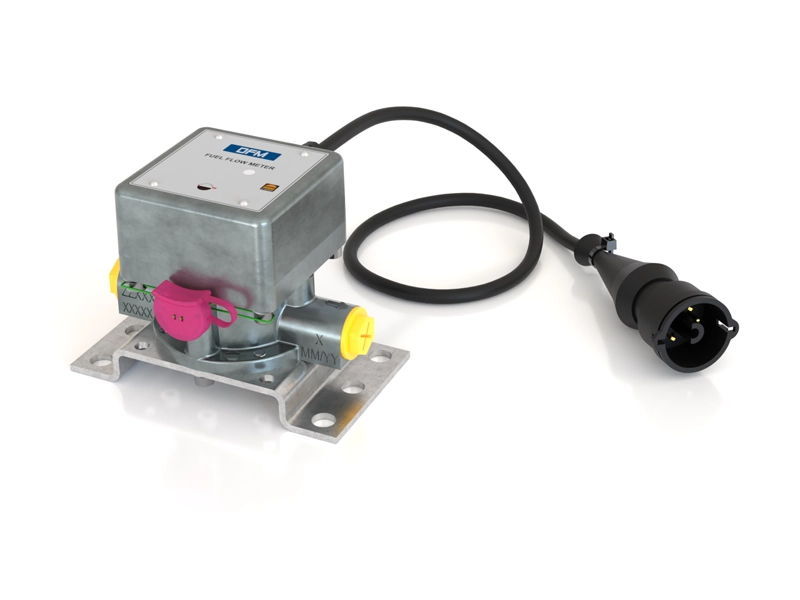






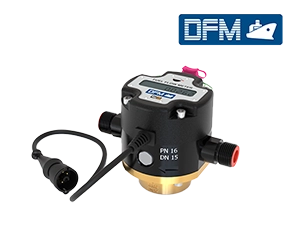
DFM is designed for fuel consumption measurement in fuel lines of vehicles and stationary machines, also for operating time monitoring in different working modes of engine.
DFM fuel flow meter is used for consumption measurement of the following fluids:
- diesel fuel
- heating oil
- burner oil
- motor fuel
- biofuel
- other liquid fuels and mineral oils with kinematic viscosity of 1.5 to 6.0 mm2/s (cSt).
DFM is a tool for direct measurement of fuel consumption, which is used as a part of GPS tracking system, vehicle telematics system or as an stand-alone (autonomous) solution for fuel consumption monitoring.
One-chamber DFM fuel flow meters measure the volume of fuel passing through the engine supply fuel line.
Tasks
 Preventing fuel theft
 Engine testing for fuel consumption
 Machine running time tracking
 CO₂ emissions monitoring
Advantages of DFM
Digital Counters and built-in battery
All data is registered in digital Counters in internal memory of DFM fuel flowmeters. That ensures data safety and protection against tampering and interference by third party. Also, Counters are registering data even if external power supply is switched off. After the power supply is back all data is sent to telematics unit.
Protection against tampering
DFM has two special Counters which register third-party influence attempts on flow meter operation — “Fuel Consumption in Tampering Mode” Counter and “Interference Time” Counter.
“Interference” Mode protects DFM from magnetic field impact aimed at stopping fuel consumption measurement or tampering with fuel consumption readings. The “Interference Time” Counter records the duration of magnetic field exposure.
“Tampering” Mode registers attempts to tamper with flow meter data by generating artificial fuel consumption, for example by blowing air through the measuring chamber. The “Fuel Consumption in Tampering Mode” Counter records the volume of fuel passing through the meter at an abnormally high flow rate.
Tampering and Interference Events can be transmitted to the telematics unit.
Fuel consumption and operating time Counters
Fuel consumption
- Instant fuel consumption, L/H
- Instant fuel consumption in Feed chamber, L/H
- Instant fuel consumption in Reverse chamber, L/H
- Total fuel consumption, L
- Total fuel consumption in “Idle” mode of engine operation
- Total fuel consumption in “Optimal” mode of engine operation
- Total fuel consumption in “Overload” mode of engine operation
- Total fuel consumption in “Negative” mode of flow meter operation (reverse exceeds feed)
Engine operating time
- Total operating time, h
- Total operating time in “Idle” engine operation mode
- Total operating time in “Optimal” engine operation mode
- Total operating time in “Overload” engine operation mode
- Total operating time in “Negative” flow meter operation mode
- Total operating time of Feed chamber
- Total operating time of Reverse chamber
- Operating time of Feed and Reverse chambers in each mode of engine operation
Special
- Engine operating time in “Tampering” mode, h
- Engine operating time in “Interference” mode, h
- Current engine operation mode as per fuel consumption rate
- Fuel temperature
- Temperature correction status
- Correction coefficient value
- Battery charge
- Total CO2 Emission
- Hourly CO2 Emission
DFM types
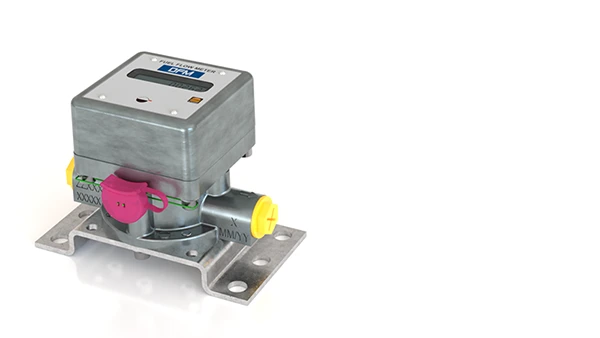
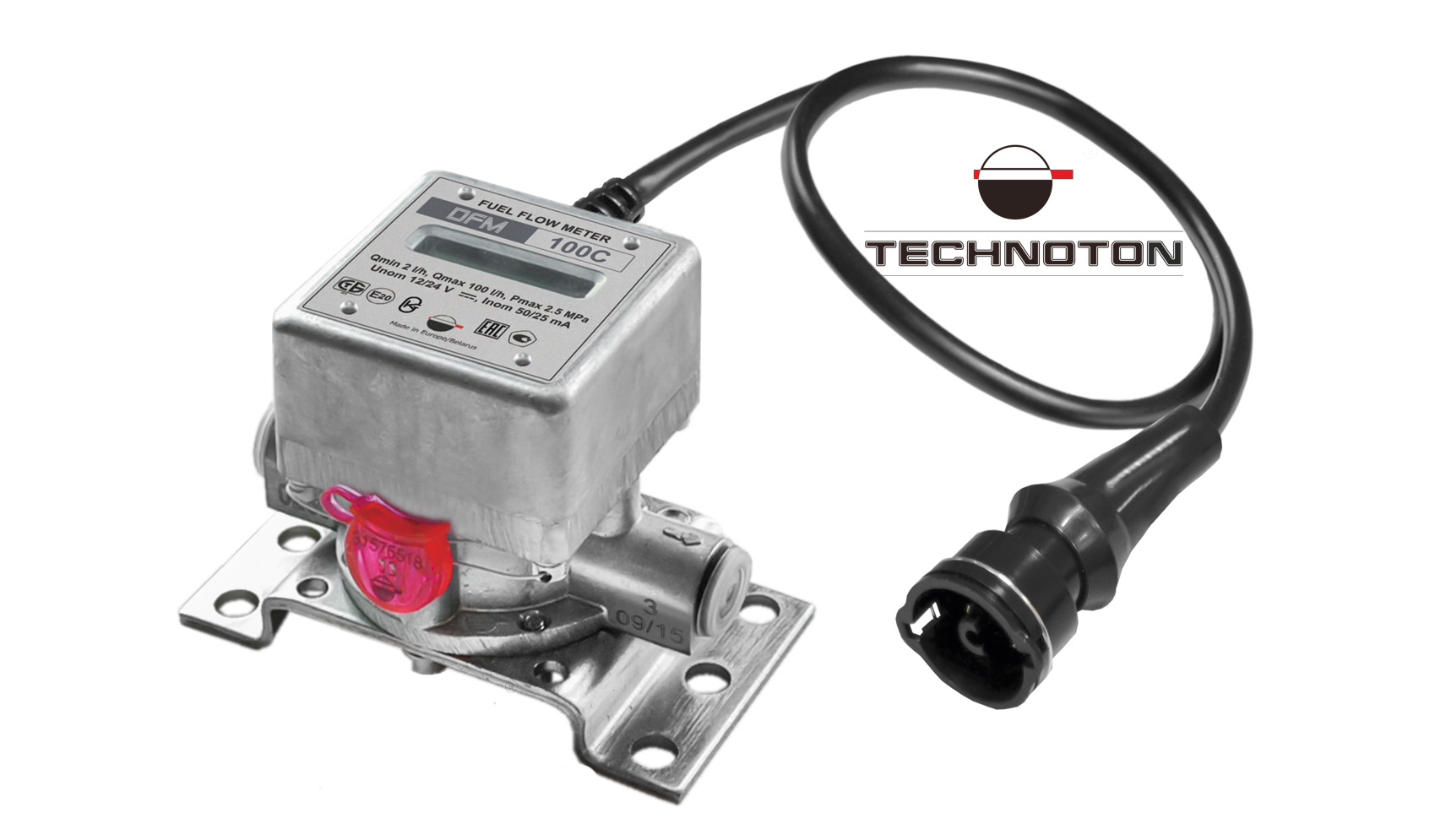
Fuel flow meter with LCD. Autonomous low-cost solution for fuel consumption measurement.
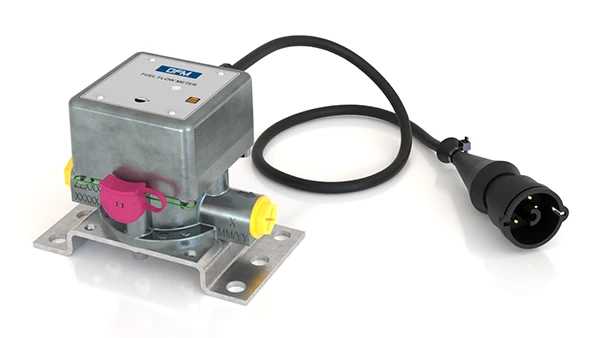
Fuel flow meter with output (interface) cable for sending signal to tracking unit. Efficient solution for online fuel consumption monitoring within telematics system.
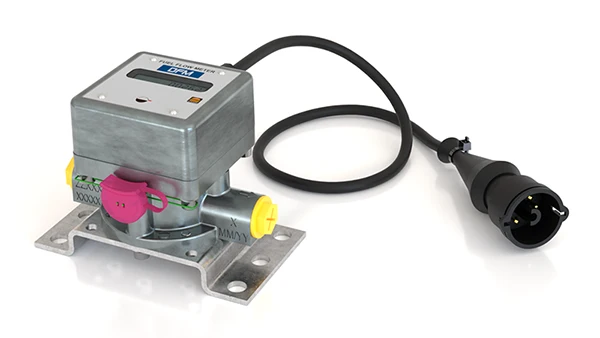
Output signal cable + in-built LCD display. Combination of standalone fuel flow meter and online solution for fuel monitoring within telematics system.
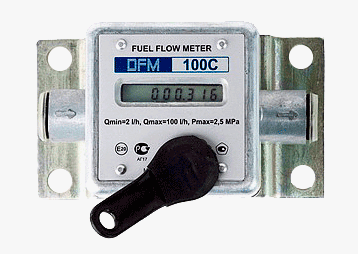
Information on DFM display
DFM with display allow autonomous fuel consumption measurement without data transfer to a server. This solution can be used for vehicles and stationary units where fuel consumption data is monitored directly on the built-in LCD display.
DFM display information screens:
Total Fuel Consumption
Total Fuel Consumption counter with higher digit capacity
Engine Operation Time
Engine Operation Time in Idle Mode
Engine Operation Time in Optimal Mode
Engine Operation Time in Overload Mode
Fuel Consumption in Tampering Mode
Interference Time
Instant Fuel Consumption
Battery Charge in Percentage of the Maximum
Temperature in the Measuring Chamber
Firmware Version
DFM installation and connection
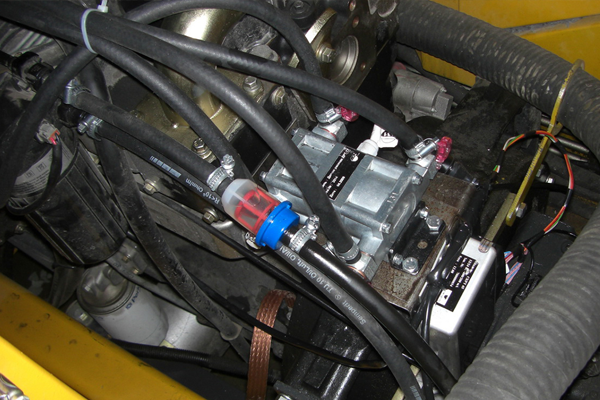
- DFM are installed directly in fuel line of engine:
- before low-pressure pump – on “suction side”, or
- after low-pressure pump – on “pressure side”.
Exact way of installation is chosen depending on fuel system specifications. Installation schemes are described in DFM documentation. For more detailed information, please, read DFM fuel flow meters Operation Manual. For information on DFM operation together with other fuel monitoring products and CANbus tools – please refer to CAN j1939/S6 Telematics interface.
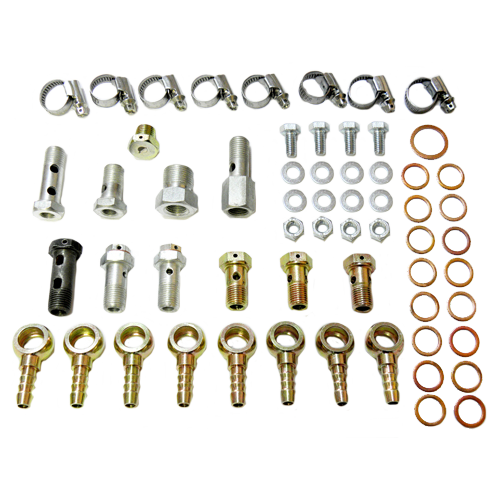
Accessories for installation of DFM flow meters

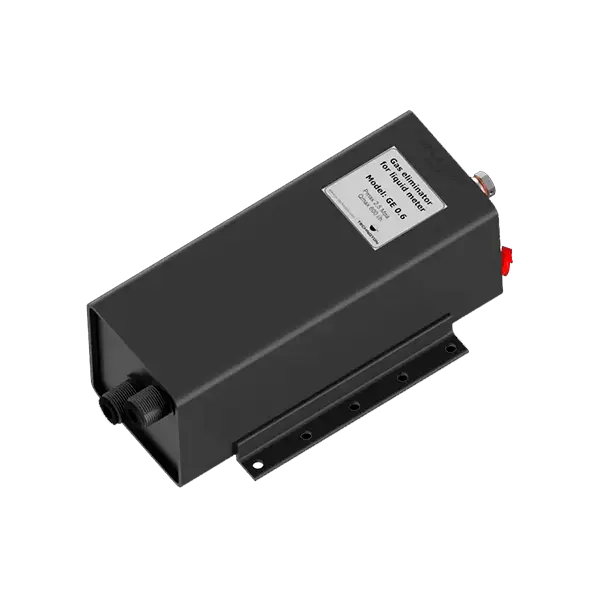
Is it possible to fool DFM?
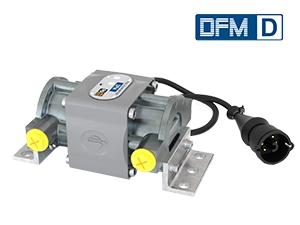
DFM is installed directly into the fuel line of the vehicle (between fuel tank end engine) and allows prompt fuel theft detection. DFM is reliably protected from tampering and vandalism. Operation of DFM D cannot be influenced without a trace.
- Strong metal body of DFM ensures reliable protection from dust and dirt, as well as against attempts to disable the flowmeter.
- Protection from influence of strong magnetic field. In the case of electromagnetic interference, the flow meter records duration of action to special “Interference” time Counter.
- Tampering with air flow is useless! If fuel consumption rate is higher than usual, DFM records the volume passing through the flow meter at an abnormally high flow rate in the “Fuel Consumption in Tampering Mode” Counter.
- High battery life. DFM fuel flow meters can operate from the built-in battery for at least 36 months; with power-saving firmware, operating time can be increased up to 5–6 years. When disconnected from on-board power network, DFM still records data and saves it in its own memory.
- Sealing of the flowmeter and fuel system elements. Not possible to intervene to places of flow meter installation without damaging the seals.
| Connecting thread | M14x1.5 M16x1.5 |
| Nominal pressure, bar | 2 |
| MAX pressure, bar | 25 |
| Supply voltage, V | 10-45 |
| Overvoltage protection, V | ≤100 |
| Current consumption, mA (24 V/12 V), mA | 25 / 50 |
| Operating temperature, (without/with display), °C | -40..+85/ |
| -20..+60 | |
| Ingress Protection Rating | IP54 |
| Relative accuracy error per chamber, %, not more than | 1* |
* Special version with increased measurement accuracy of ±0.5% is available on request for single-chamber DFM, except DFM AP.
| Model | Nominal bore | Start-up flow rate, l/h | MIN flow rate, l/h | MAX flow rate, l/h | Recalibration interval, l | |||||
| DFM 50 | 6 | 0,5 | 1 | 50 | 100 000 | |||||
| DFM 100 | 6 | 0,5 | 2 | 100 | 100 000 | |||||
| DFM 250 | 8 | 2 | 5 | 250 | 250 000 | |||||
| DFM 500 | 12 | 3 | 10 | 500 | 500 000 |
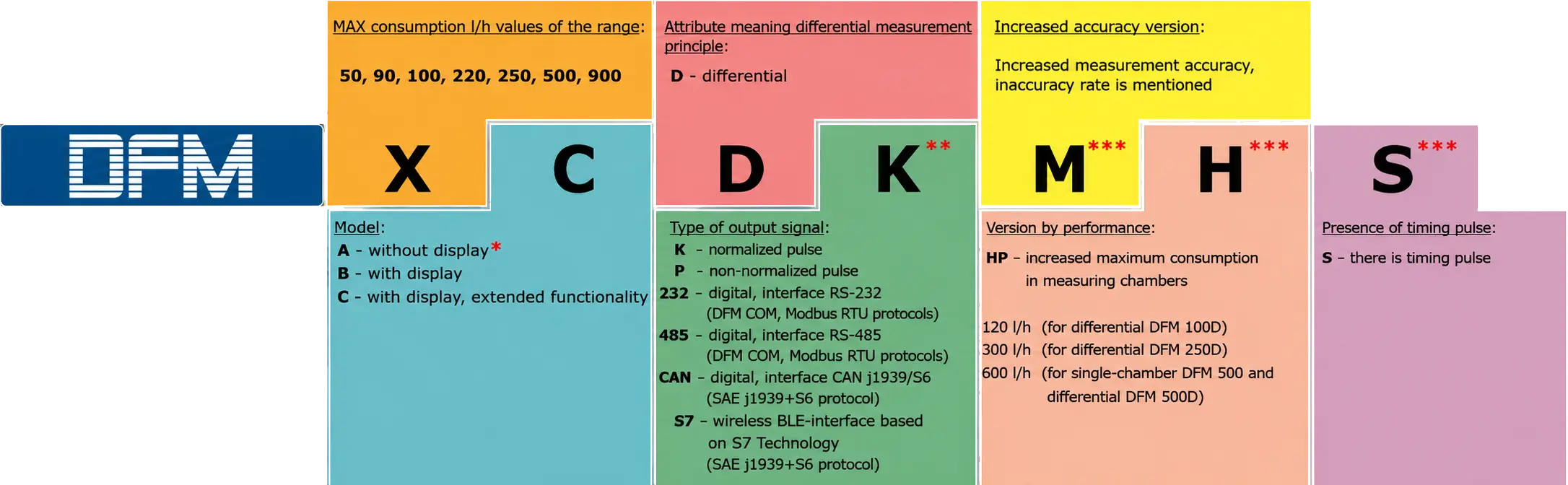
* A symbol is not specified in the C designation for differential fuel flow meters.
** For autonomous models K designation is not used.
*** This designation is delivered upon special order. M designation is valid only for single-chamber models, except DFM AP. S designation timing pulse is present. The standard version – without the timing pulse (no designation).
Specifications
| Connecting thread | M14x1.5 M16x1.5 |
| Nominal pressure, bar | 2 |
| MAX pressure, bar | 25 |
| Supply voltage, V | 10-45 |
| Overvoltage protection, V | ≤100 |
| Current consumption, mA (24 V/12 V), mA | 25 / 50 |
| Operating temperature, (without/with display), °C | -40..+85 -20..+60 |
| Ingress Protection Rating | IP54 |
| Relative accuracy error per chamber, %, not more than | 1* |
Models
Model / MAX flow rate
DFM 50 / 50 l/h
DFM 100 / 100 l/h
DFM 250 / 250 l/h
DFM 500 / 500 l/h
* A symbol is not specified in the C designation for differential fuel flow meters.
** For autonomous models K designation is not used.
*** This designation is delivered upon special order. M designation is valid only for single-chamber models, except DFM AP. S designation timing pulse is present. The standard version – without the timing pulse (no designation).
Video